Late-Summer Pollinator Gap: How to Keep Bees and Butterflies Fed Until Fall
October 12, 2026 - Pollinators

October 08, 2026 - Meadow Care
October 01, 2026 - Wildflowers
A meadow that nobody grazes does not stay a meadow for long. Rank grasses thicken, bramble creeps out from the hedge, and the small flowering plants that made the field worth walking through quietly vanish beneath the litter.
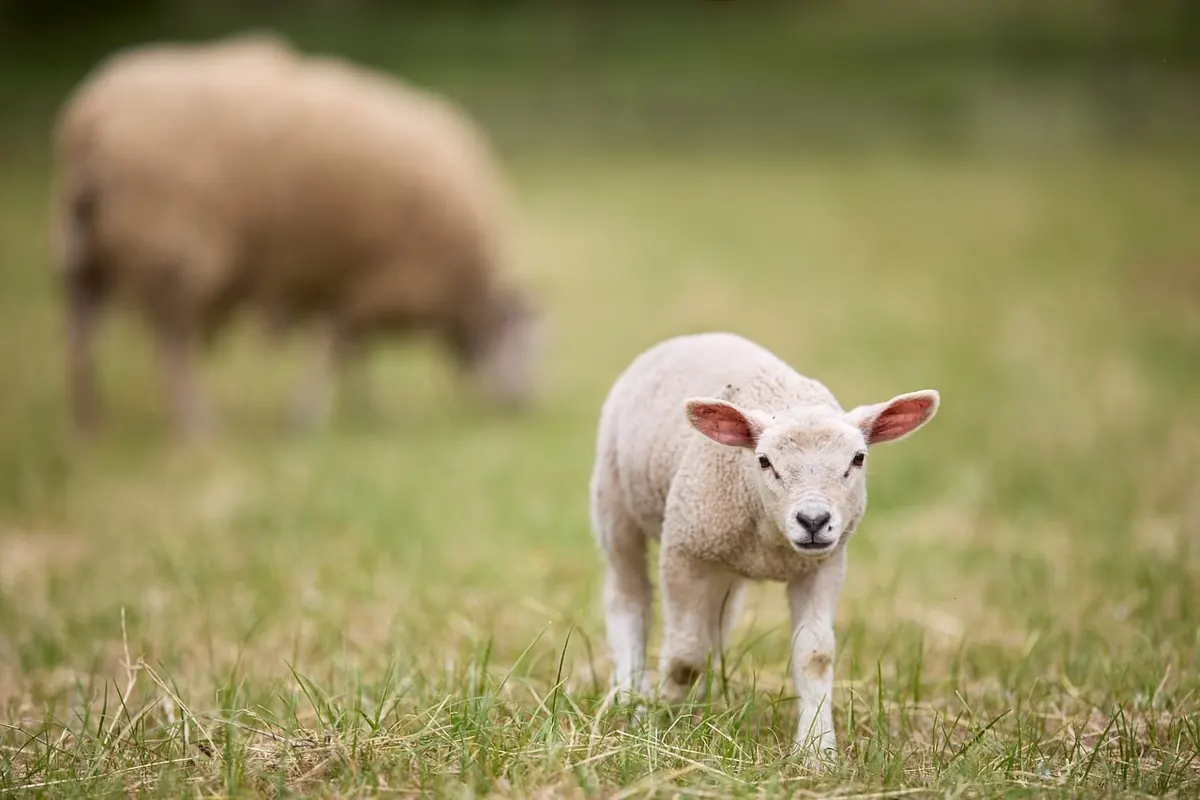
That is why so many nature reserves keep animals on site. Not to produce beef or wool, though they often do both, but to hold the habitat open. Grazing is a management tool, and used with a plan it does things a mower and a sprayer cannot.
Conservation grazing is the use of livestock to shape a habitat rather than to maximise production. The animals still eat and still grow, but success is measured in sward structure and plant diversity, not weight gain.
In practice it looks different from a conventional grazing system. Fewer animals. Longer rest periods. No fertiliser. No feeding in the field, because every bale or bucket adds nutrients and nudges the competition towards the coarse grasses you are trying to hold back. And a willingness to accept a field that looks untidy from the gate: uneven, tufty, dotted with dung. That unevenness is usually the point.
It also means writing your aim down in terms you can check. "More wildflowers" is not a plan. "Keep the coarse grass on the south slope in check, hold part of the field short through early summer, leave the rest until late August" is something you can walk out and judge for yourself.
Most of a meadow's smaller plants are poor competitors. Cowslip, betony, knapweed, salad burnet: they need light at ground level in spring and early summer. Left alone, tall grasses and last year's dead leaves build a thick thatch that shades seedlings out. Grazing strips away leaf area at the right moment and lets the light down to where the seeds are.
Seeds generally need contact with soil, not a carpet of grass. Hooves make small gaps, sometimes no bigger than a hoofprint, and those gaps are where delicate meadow plants get their chance. Yellow rattle, eyebright and many annuals rely on this kind of small disturbance. Ant hills, molehills and scuffed gateways do the same work for free.
Animals never graze evenly. They favour the sweeter grass near water, avoid the patches around dung, and linger in the shade. The result is a patchwork: short turf, longer tussocks, lightly disturbed ground, all side by side. That mix suits different insects at different stages of their lives, and gives ground-nesting birds cover next to open feeding areas. A uniform sward is the failure state, however neat it looks.
Grazing does take some nutrients off site inside the animals themselves, but dung and urine return most of what was eaten. Cutting for hay remains the stronger nutrient export. On an enriched site, the best results usually come from combining a late hay cut with grazing rather than relying on animals alone.
Breed matters less than management, but hardy, traditional types tend to handle low-input sites and bad weather with fewer problems. Animal health and welfare duties are exactly the same as on any farm. Livestock movements are regulated in most countries, so check the local rules and speak to your vet before you plan a first move.
When animals graze matters as much as how many. Spring grazing takes the early flush off vigorous grasses and keeps them from dominating, but on heavy clay soils it can churn the ground into a mess. Summer grazing needs a light touch, because that is when flowers are open, bees are working and birds are nesting. Autumn aftermath grazing is the workhorse of meadow management: the hay is off, the seeds have dropped, and the animals tidy up the regrowth without harming anything. Winter grazing suits soft, wet sites only with great care.
Rotate rather than set-stock. Divide the site into paddocks with temporary electric fencing, move the animals every few weeks, and let each paddock rest. Records matter more than memory here, so note dates, animal numbers and what the sward looked like.
Leave a refuge every year. Many meadow managers aim to leave something like a fifth to a quarter of the site uncut and ungrazed over a season, so flowers set seed and insects complete their cycles. Rotate which part you leave.
Overgrazing is the obvious one: a close-cropped, uniform sward, dung everywhere, bare soil washing into the ditch. Undergrazing is just as common and slower to spot, until you realise the flowers have gone and the scrub is chest-high.
Timing mistakes are frequent. Grazing through the flowering peak removes the very thing you were trying to encourage. Poaching around troughs and gateways turns a wet corner into mud. Supplementary feeding in the field quietly fertilises it, cancelling out years of nutrient removal. Poorly sited water, disturbed nesting birds and loose dogs all undo good work in a single afternoon.
Good grazing shows up slowly. You should see more than one sward height in a single view, more flowering stems than last year, small patches of open soil, and insects worth standing still for. In time, perhaps indicator plants such as yellow rattle, knapweed or an orchid appear where the seed source allows.
Keep it simple. Pick two or three fixed points and photograph them in the same week each year. Walk a rough transect and list what is flowering. A decade of those notes tells you more than any single season's impression.
The first year is usually the least tidy one. Grass gets away from you, or the animals eat something you would rather they had left. Adjust and carry on. Meadows are built over seasons, not weekends, and the animals are doing the slow, patient work on your behalf.
Photo: erwinbosman / Pixabay
Most gardens peak in June and again in September, leaving bees and butterflies hungry in between. Here's how...
Turn a balcony or patio into a working pollinator patch with the right containers, sun, plants, and watering routine...
Copyright © 2026 The Meadow Courier. All Right Reserved.