Late-Summer Pollinator Gap: How to Keep Bees and Butterflies Fed Until Fall
October 12, 2026 - Pollinators


October 08, 2026 - Meadow Care

October 01, 2026 - Wildflowers
A balcony is a strange kind of meadow. There is no soil to speak of, the wind arrives faster than it does at ground level, and sunlight bounces off brick and glass in ways a garden bed never has to handle. None of that stops pollinators from finding flowers several floors up. Bees, hoverflies, and butterflies work rooftops and window boxes all summer. They only need you to set the table.
The encouraging part: a pollinator patch is one of the few garden projects that gets easier as it gets smaller. You do not need a yard, a tiller, or a grand plan. You need a few decent containers, the right corner, and a watering habit you will actually keep.
Most plants that feed pollinators want direct sun — six hours or more during the growing season. Before you buy a single pot, spend a day watching your space. Note when the first ray lands and when the last one leaves. A south- or west-facing balcony usually collects the most light; an east-facing one offers gentler mornings; a north-facing balcony is workable, but you will be choosing shade-tolerant bloomers and accepting a slower, quieter show.
Pay attention to heat as well as light. A wall of glass beside a small pot can turn the root zone into an oven by mid-afternoon, which stresses plants and dries soil within hours. Wind matters too: upper floors and corners funnel breezes that topple tall stems and wick moisture away.
Check the space at roughly 9 a.m., noon, 3 p.m., and 6 p.m. for two or three days, writing down "sun" or "shade" each time. Four or more sun readings is a full-sun spot. Two or three is partial. Anything less, and you are shopping in the shade section.
Size is the decision that matters most. A 30–40 cm (12–16 inch) pot holds moisture far better than a 15 cm one, and a half-barrel or long trough is better still. Small pots dry out within hours on a hot day; large ones give you a margin for error.
The rule for pollinator-friendly flowers is simple: open, single blooms. Doubled and ruffled varieties often hide the nectar and pollen insects are looking for. Native plants from your region are the best starting point because local bees evolved alongside them, but herbs and easy annuals will fill gaps in the calendar.
Aim for three bloom windows — spring, midsummer, and late summer into autumn — so something is always open.
Let the herbs bolt. A flowering pot of oregano will pull in more insects than a tidy row of double petunias.
If you would rather not plan a whole scheme, try this: one pot of flowering herbs, one pot of a long-blooming annual, and one pot of a native perennial suited to your light. Three containers, three bloom times, and a patch that looks intentional without much fuss.
Use a fresh, peat-free potting mix rather than soil dug from the ground. Garden soil compacts in containers, drains poorly, and often arrives with weed seeds. Fill each pot to a couple of centimetres below the rim so there is room to water without spilling.
Plant more densely than you would in a garden bed. A full canopy of leaves shades the soil surface, which cuts evaporation and keeps roots cooler. Top the surface with gravel or coarse mulch for the same reason, then water thoroughly until it runs out the bottom. Give new plantings a week or two to settle before you judge how they look.
Balcony pots lose water quickly, so check by feel rather than by schedule. Push a finger in to the second knuckle. If it is dry that far down, water. If it is damp, wait.
Water in the morning when you can; the plant has all day to use it, and leaves dry before evening. Water until it runs freely from the drainage holes, then empty any saucer that stays full — standing water suffocates roots. During a heatwave, check twice a day and move the smallest pots into afternoon shade.
If you travel, self-watering containers, a drip line on a timer, or a neighbour with a key will all save a patch. Mulch buys you an extra day or two, which is often the difference between a plant that recovers and one that does not.
Once a week, water deeply, deadhead spent blooms, and pull anything that has crept in uninvited. Every three or four weeks through summer, feed lightly with a diluted liquid feed — too much nitrogen gives you lush leaves and few flowers, so use half the recommended strength or choose a low-nitrogen formula. In late summer, let seedheads stand and start planning next year's additions.
A balcony patch will never look like a meadow in a field, and it does not need to. A few well-chosen pots can become a genuine rest stop along a pollinator's route, especially in a neighbourhood of bare concrete and tidy lawns. Start with three containers. Watch what visits. Add what works.
Photo: 8926 / Pixabay
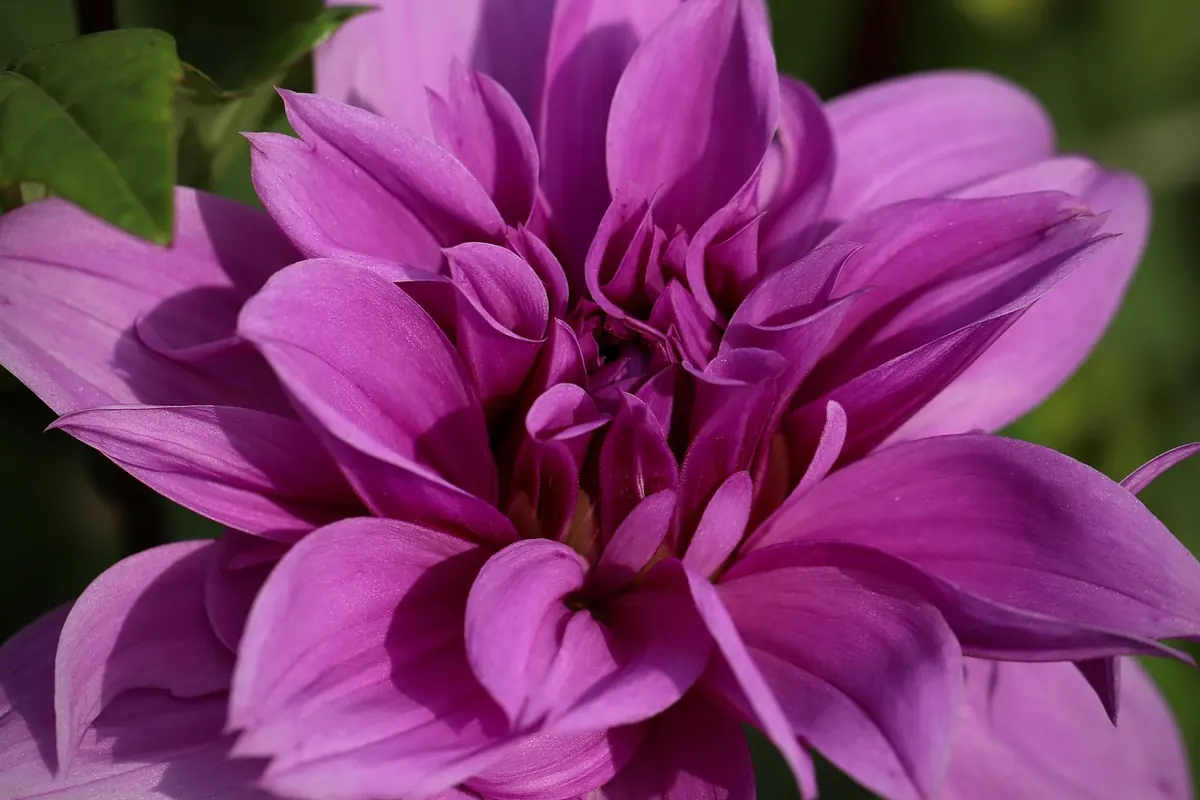
Most gardens peak in June and again in September, leaving bees and butterflies hungry in between. Here's how...
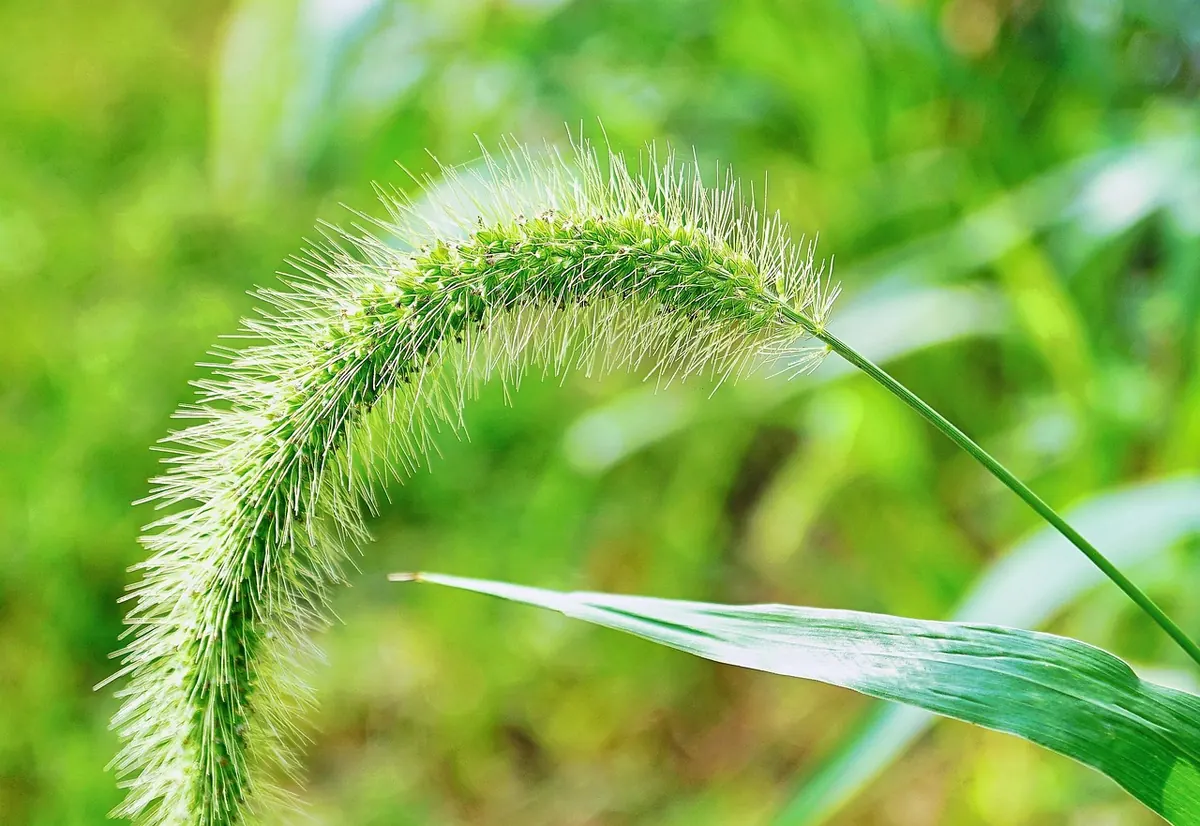
Common meadow plants act as field notes on soil moisture, fertility and acidity, helping you read a site before you...
Copyright © 2026 The Meadow Courier. All Right Reserved.