Late-Summer Pollinator Gap: How to Keep Bees and Butterflies Fed Until Fall
October 12, 2026 - Pollinators


October 08, 2026 - Meadow Care

October 01, 2026 - Wildflowers
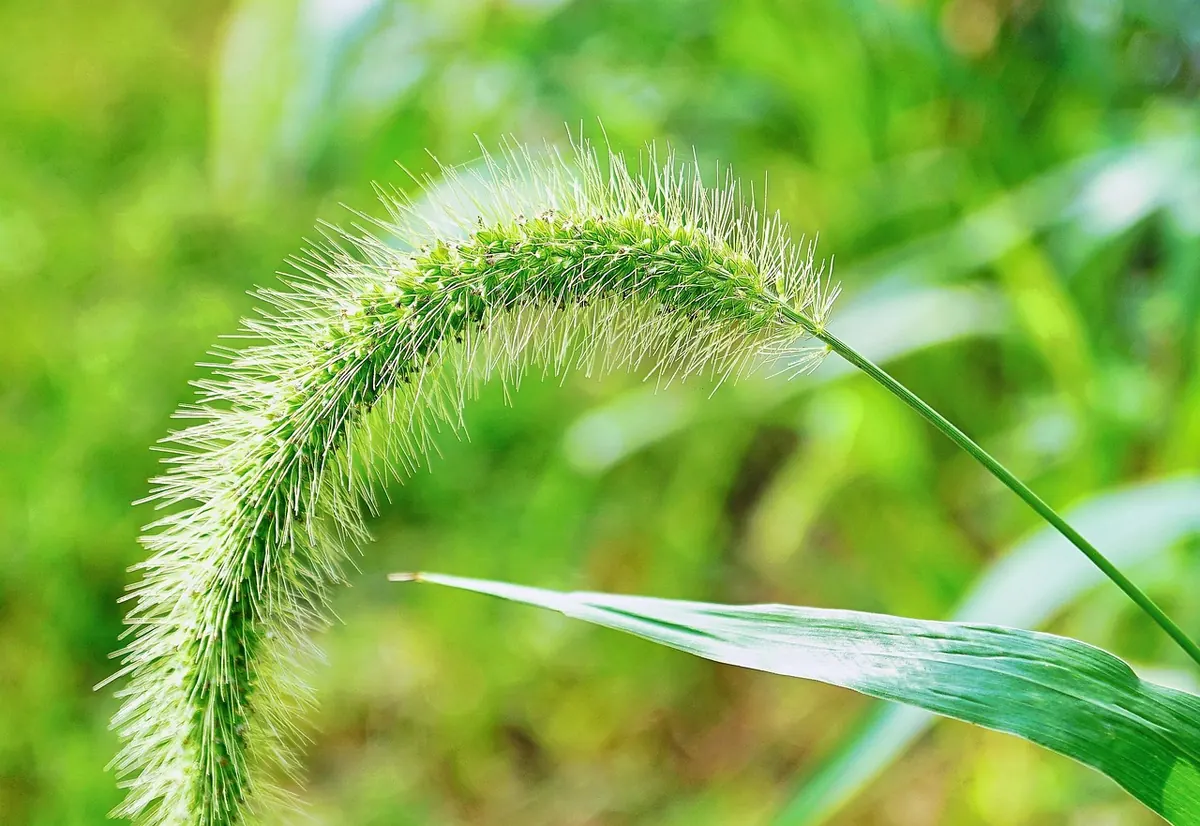
A meadow keeps a record of its own ground, and most of it is written in green. Stand in one long enough and you are standing in the sum of everything that has happened there: how long water lingers in winter, how often the mower came, what a century of grazing left behind. You do not need a laboratory to notice the first things. You need a slow hour, a notebook, and the willingness to look at which plants are thriving rather than the ones you wish were there.
Walk two diagonals across the field rather than a tidy loop around the edge. Edges are their own habitat, and they flatter a site. Stop every twenty or thirty paces and write down the three or four most abundant plants in front of you, plus the height and texture of the turf. Then keep walking.
The useful information arrives as boundaries. Where the plant list changes within a few metres, something changes in the soil beneath: drainage, depth of topsoil, an old plough line, a filled ditch, a spread of lime. Mark those lines on a rough sketch. Once you have three or four of them, you have a map of the field's moods.
A single ragwort or one stray orchid means very little. A field of either means a great deal. Indicator plants speak through dominance, so count what is common and let the rarities stay as footnotes.
Water leaves the clearest signature. Look for plants that tolerate roots sitting in damp soil for part of the year:
Tread carefully here. Wet-loving plants tell you where the water is, but not always why. A rushy patch on a slope is a different problem from a rushy hollow at the bottom of one.
At the other end, turf gets short, fine-leaved and patchy, and plants hug the ground to escape the wind. Sheep's fescue, wild thyme, harebell, mouse-ear hawkweed and salad burnet all handle drought and low fertility well. Sheep's sorrel is a strong hint that the ground is both dry and sour.
If you can see bare soil between plants in midsummer, you are on the dry end of the scale. That is not a fault. Thin, dry ground on chalk or sand often supports the richest flower communities, precisely because nothing has grown tall enough to shade them out.
Soil fertility has its own loud voices. Dense nettles, with cleavers, cow parsley, hogweed, dock and cocksfoot mixed in, indicate nitrogen-rich ground: old gateways, farmyard corners, places that received muck or slurry for decades. That is useful to know before you scatter wildflower seed, because most meadow flowers will simply be outgrown there.
The opposite list is the one to treasure. Common knapweed, field scabious, quaking grass, yellow rattle, eyebright, orchids and fine fescues all cope with low fertility and often thrive in it. Yellow rattle is worth noting in particular, since it draws some of its living from the roots of grasses and tends to appear where grass vigour is already modest.
Nettles are not a weed problem. They are a soil report, written in a hurry.
Acid-loving plants include heath bedstraw, tormentil, bilberry, heather, mat grass and wavy hair-grass. Where they dominate, expect a pH below neutral and often a thinner, rougher sward.
Plants of lime-rich ground include cowslip, salad burnet, wild marjoram, common rock-rose, bird's-foot trefoil and many of the orchids. Between the two lies the broad neutral middle, which is where most traditional hay meadows sit.
Treat these as clues rather than verdicts. A plant that signals lime in one county can be looser in its habits elsewhere, and light, grazing and drainage all pull at the same species. Use the plants to form a hypothesis, then confirm the parts that matter with a simple pH test or a proper soil sample.
Some plants specialise in telling you where feet, hooves and tyres go. Ribwort plantain, annual meadow grass, pineappleweed, knotgrass and silverweed all tolerate trampled, compacted ground and will line up along a well-used route. Groundsel, mayweed and fat hen follow bare, disturbed soil, and rosebay willowherb often appears after fire or scraped ground.
Do not overlook the edges. An old hedge bank, a churchyard verge or a strip beside a lane that has never been ploughed or fed will show you what the local soil can do when left alone. It is the most useful reference you have, and it is free.
If the field is rushy and compacted, the conversation is about drainage, timing of grazing and resting the ground, not about seed. If it is nettles and docks, cut and remove the growth so nutrients leave the site year after year; that slow export does more than any quick fix. If it is already fine grasses, knapweed and scabious, you have a meadow, and your job is mostly restraint: mow late, remove the hay, and let the flowers set seed. Where a site is protected, or a ditch, stream or watercourse is involved, take proper ecological advice before moving soil or altering drainage.
The plants surveyed this ground long before you arrived. Read them first, and the spade and the test kit will usually just confirm what the sward has been saying all along.
Photo: daledbet / Pixabay
Most gardens peak in June and again in September, leaving bees and butterflies hungry in between. Here's how...
Turn a balcony or patio into a working pollinator patch with the right containers, sun, plants, and watering routine...
Copyright © 2026 The Meadow Courier. All Right Reserved.