Late-Summer Pollinator Gap: How to Keep Bees and Butterflies Fed Until Fall
October 12, 2026 - Pollinators

October 08, 2026 - Meadow Care

October 01, 2026 - Wildflowers
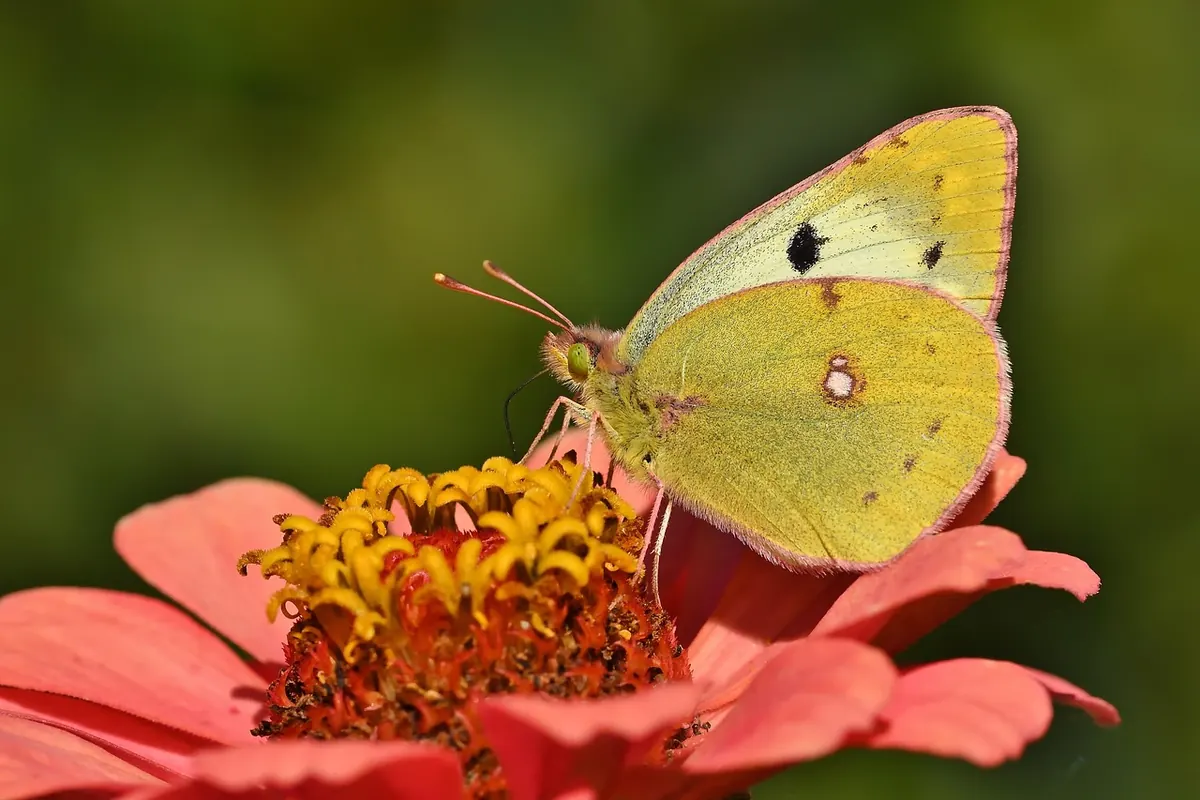
A pollinator garden earns its name slowly. The first season it looks like mulch and optimism. By the third, a bumblebee queen has moved into an abandoned rodent burrow near the path, and a moth you can't identify is sleeping on the siding at dawn. What separates a garden that merely feeds pollinators from one that supports them all season is a short list of features: nesting sites, water, plants for larvae as well as adults, and flowers open from the first warm week to the last hard frost.
Work through the checklist below in roughly the order that makes the biggest difference. Most of it costs nothing but a decision to leave a few things alone.
Many of our small native bees — sweat bees, mining bees, long-horned bees — dig their nests in soil rather than in hives. They need a patch of open, uncompacted, sunny ground, ideally on a gentle slope where water drains quickly. Two by four feet is enough. Keep it clear of mulch, weed fabric, and foot traffic.
Resist the urge to till that spot in spring. These bees often return to the same address year after year, and turning the soil destroys both the tunnels and the larvae inside. If you see small mounds of excavated earth in late spring, that's not damage. That's the neighborhood filling up.
Heavy clay is workable. A raised bed of sandy loam, or a low mound of light soil in full sun, gives ground nesters the texture they're after. Bumblebees, meanwhile, nest in cavities: an old mouse burrow, the space under a flat stone, or a dry corner behind a shed.
Plenty of native bees nest above ground. Small carpenter bees hollow out the pith of broken twigs. Leafcutter bees line tunnels inside last year's stems. Mason bees tuck eggs into holes left behind by beetle larvae. Every one of those homes disappears if you cut everything to the ground in October and haul it away.
Try this instead:
Nectar is the easy part. Caterpillars are the picky ones, and a garden without host plants raises no next generation, no matter how many flowers you have. Match the plant to the species that uses it:
Then accept the holes. A chewed leaf is a working garden, not a failing one. This is why sprays matter so much: broad-spectrum insecticides, and even caterpillar-specific ones like Bt, wipe out the very insects you planted for.
A bee that wakes in April needs calories when almost nothing is open, and a monarch moving through in September needs fuel for the trip south. A single flush of summer bloom, however gorgeous, leaves long hungry gaps on both ends.
Plant in drifts rather than single specimens — several of the same species grouped together, so a bee can work one patch instead of crossing the yard. Aim for at least three different flowers open at any point from April through October, and mix flower shapes: flat daisies for small bees and beetles, tubes and trumpets for bumblebees and moths, umbels like dill and mountain mint for the tiny wasps and flies that also pollinate.
Bees need shallow water and will drown in anything deep. A saucer filled with pebbles, corks, or marbles gives them a place to land and drink. Refresh it every couple of days in hot weather; that schedule also prevents mosquitoes from completing their life cycle in it.
Butterflies often prefer damp ground. Males of many species gather at wet sand or mud to take up minerals, a behavior called puddling. A shallow tray of sand kept saturated, set in full sun near the butterfly plants, does the job. Tucked beside a downspout or under a slow drip, it stays damp without any fuss.
Moths pollinate at dusk and after dark, and they run on different cues than bees. Pale flowers glow in low light, so plant white and cream where you sit in the evening: evening primrose, phlox, yucca, boneset. Strong scent matters more than color at night.
Their caterpillars need host plants too — grasses, oaks, cherries, and the leaf litter beneath them. Two habits help more than any planting: skip bug zappers, which catch moths and other night insects in far greater numbers than mosquitoes, and switch outdoor lights to warm bulbs on motion sensors so you aren't drawing moths away from flowers all night.
Nothing on this list requires a redesign or a budget. It requires leaving a few corners alone and thinking about the whole year rather than one pretty month. The garden will look slightly unkempt in October — that's the point. An untidy fall is a busy spring.
Photo: jggrz / Pixabay
Most gardens peak in June and again in September, leaving bees and butterflies hungry in between. Here's how...
Turn a balcony or patio into a working pollinator patch with the right containers, sun, plants, and watering routine...
Copyright © 2026 The Meadow Courier. All Right Reserved.