Late-Summer Pollinator Gap: How to Keep Bees and Butterflies Fed Until Fall
October 12, 2026 - Pollinators


October 08, 2026 - Meadow Care

October 01, 2026 - Wildflowers
A bare patch of ground and a packet of wildflower seed looks like the sensible route. A tray of plug plants looks like the expensive one. In practice, both work well — on the right site, with proper preparation. What costs you is choosing the wrong method for your ground: a season lost to thistles, a meadow that never fills out, or a bill several times what you had in mind.
Sowing a meadow means broadcasting seed onto prepared, mostly bare ground, raking it in lightly, and keeping the surface damp until germination. It is quick over a large area and cheap per square metre, but you are handing the outcome to the weather, the birds, and the seed's own vigour.
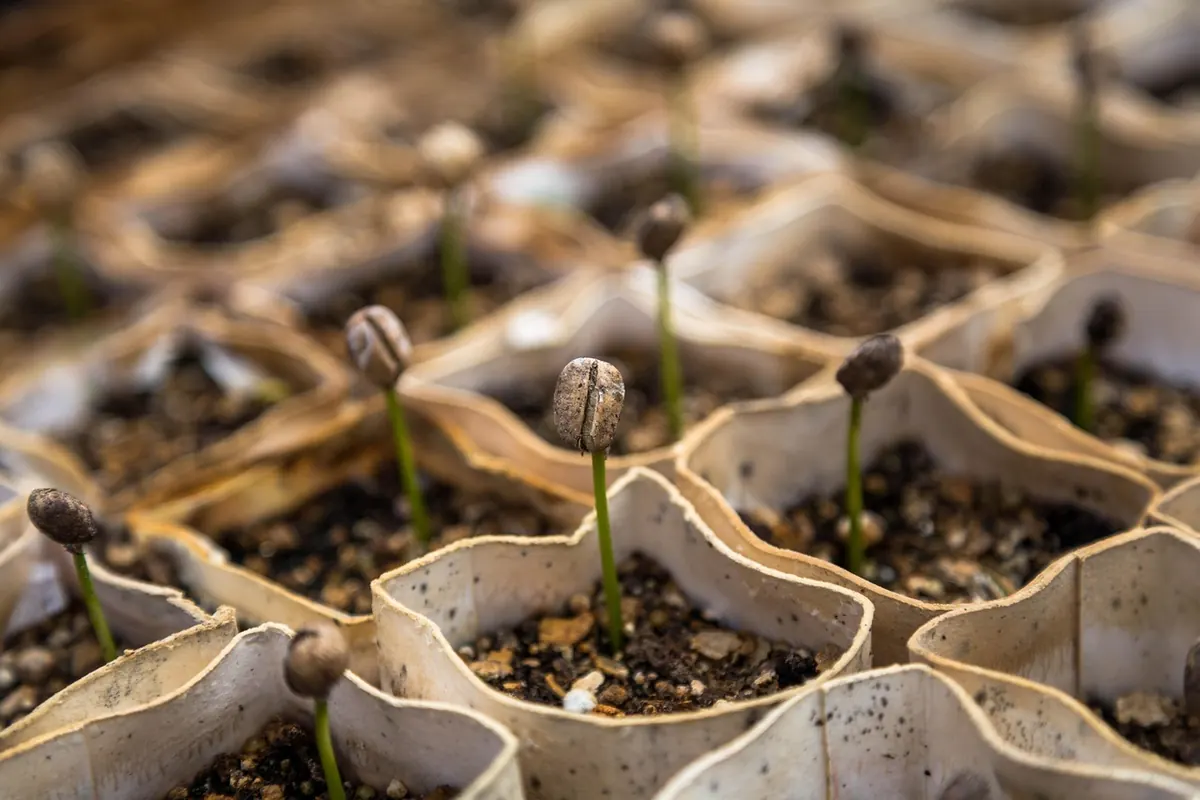
Planting plugs means setting out young plants raised in trays, one at a time, with a trowel or a narrow spade. Each plug is a plant that already exists — rooted, identifiable, and able to compete from day one. Your back and your knees pay for that certainty.
On paper, seed wins comfortably. A wildflower mix covers far more ground for the same money, and you can sow an entire field in an afternoon. But the comparison only holds if the ground is ready. Seed sown into unprepared soil is money in the bin.
Plug plants cost more per square metre, partly because the plants themselves are pricier and partly because planting a meadow by hand takes hours. What you buy is a much higher chance of success, which matters most where the site is small, awkward, or precious.
Whichever you choose, these costs land on both sides of the ledger:
A small area done properly with plugs often beats a large area sown badly. If your budget is tight, scale the area down rather than cutting corners on preparation.
Seed mixes are slow to look like a meadow. Many perennial wildflowers spend their first season building roots, so expect a flush of annuals — corn poppy, corn marigold, cornflower — followed by an awkward gap before the perennials knit together. That middle year is where most people give up and mow the lot.
Plugs skip the vulnerable stage. Planted in spring, many will flower in their first summer, and because you can see exactly where every plant sits, you can weed around them without guessing which seedling is which. For a school wildlife garden, a community project, or a small patch you want to enjoy quickly, that head start is worth the money.
Bare soil is an open invitation. Docks, thistles, nettles, and creeping buttercup will find it within weeks, and tiny wildflower seedlings lose that race easily. The difference is how well your flowers compete once the weeds arrive.
Plug plants emerge above the weed canopy and can be mulched or hand-weeded around with a hoe or fingers. Seedlings need a period of careful, gentle weeding — no hoeing, or you will take out the flowers with the weeds.
One ally is worth knowing about: yellow rattle, an annual wildflower that draws water and nutrients from grasses. Where grasses dominate, sowing yellow rattle alongside your mix gradually weakens them and gives flowering species room. It can take a couple of seasons to show, and it needs grasses present to work, so it suits grassland sites rather than pure wildflower beds.
Match the method to the ground in front of you, not to what looks tidiest in a catalogue.
There is a middle path, too. Sow a seed mix as the backbone of the meadow, then plant plugs of a few showy or slow-to-establish species where people will actually walk past them — along a path, beside a bench, at the gate. You get the coverage of seed and the reliability of plugs where it counts. If you have a local donor meadow, green hay spread fresh onto prepared ground is another route worth discussing with the site's owner.
Preparation decides more than method. Clear perennial weeds thoroughly, avoid adding compost or fertiliser — wildflowers want lean ground — and aim for a firm, fine surface with plenty of bare soil. Choose seed or plants of native origin, ideally from a supplier working with local provenance stock, and check the sowing rate on the packet rather than guessing.
Timing matters as much as technique. Sow seed in late summer or early autumn while the soil is warm, or in early spring if you missed the window. Plant plugs in spring after the last hard frost, or in early autumn while the ground is still warm and moisture is returning. Water plugs through their first dry spell, and expect to cut the meadow several times in year one, removing the clippings each time so you are not feeding the soil you just tried to starve.
Keep a note of what you sowed and where, so you can tell a slow starter from a failure next spring.
The best method is not the cheapest or the fastest. It is the one that matches your ground, your budget, and the amount of time you will genuinely spend weeding, watering, and cutting for the next two years. Choose that, and the meadow will do the rest.
Photo: Pexels / Pixabay
Most gardens peak in June and again in September, leaving bees and butterflies hungry in between. Here's how...
Turn a balcony or patio into a working pollinator patch with the right containers, sun, plants, and watering routine...
Copyright © 2026 The Meadow Courier. All Right Reserved.